Biomimicry • Aerodynamics
Noise reduced / aerodynamically improved vehicles and aeroplane designs
What is biomimicry?
Biomimicry means learning from nature and translating those strategies into human design. The presentation describes evolution as natural optimisation for efficient performance with minimal energy input.
Why it helps aerodynamics
Nature offers textured surfaces, flexible structures and passive vortex control that can reduce energy losses without extra active actuators.
Engineering impact
These ideas connect with lower drag, reduced energy consumption, improved stability and lighter, more efficient transport systems.
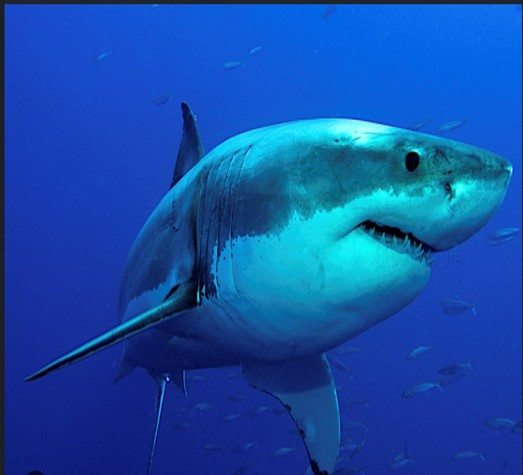
Shark-Skin Inspired Drag Reduction
- Shark skin has microscopic dermal denticles instead of a perfectly smooth surface.
- Riblet surfaces copy these grooves to reduce skin-friction drag.
- The presentation reports about 5–8% drag reduction for riblet surfaces.
- Applications include aircraft, high-performance vehicles, marine hulls and wind-turbine blades.
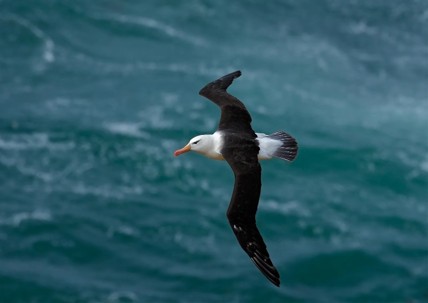
Albatross-Inspired Aircraft Wings
- Dynamic soaring crosses slower and faster air layers to extract useful wind energy.
- Long, narrow wings help the albatross glide efficiently over long distances.
- Hinged or flexible wingtips can react to gusts and reduce structural load.
- Lower loads can support lighter aircraft structures and better efficiency.
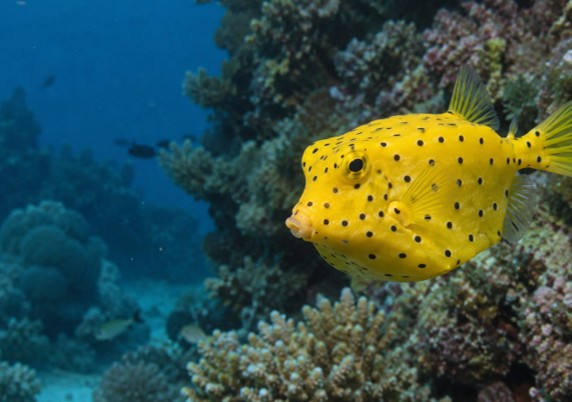
Boxfish-Inspired Vehicle Design
- The boxfish has a compact body, rigid shell and large internal volume.
- Its body form affects flow separation, wake formation and pressure drag.
- The idea inspired boxfish-like roof, side and rear vehicle contours.
- The PPT presents the Mercedes-Benz Bionic concept with a reported drag coefficient of 0.19.